Sprach-Snacks
Fresh daily — bite-sized German gems
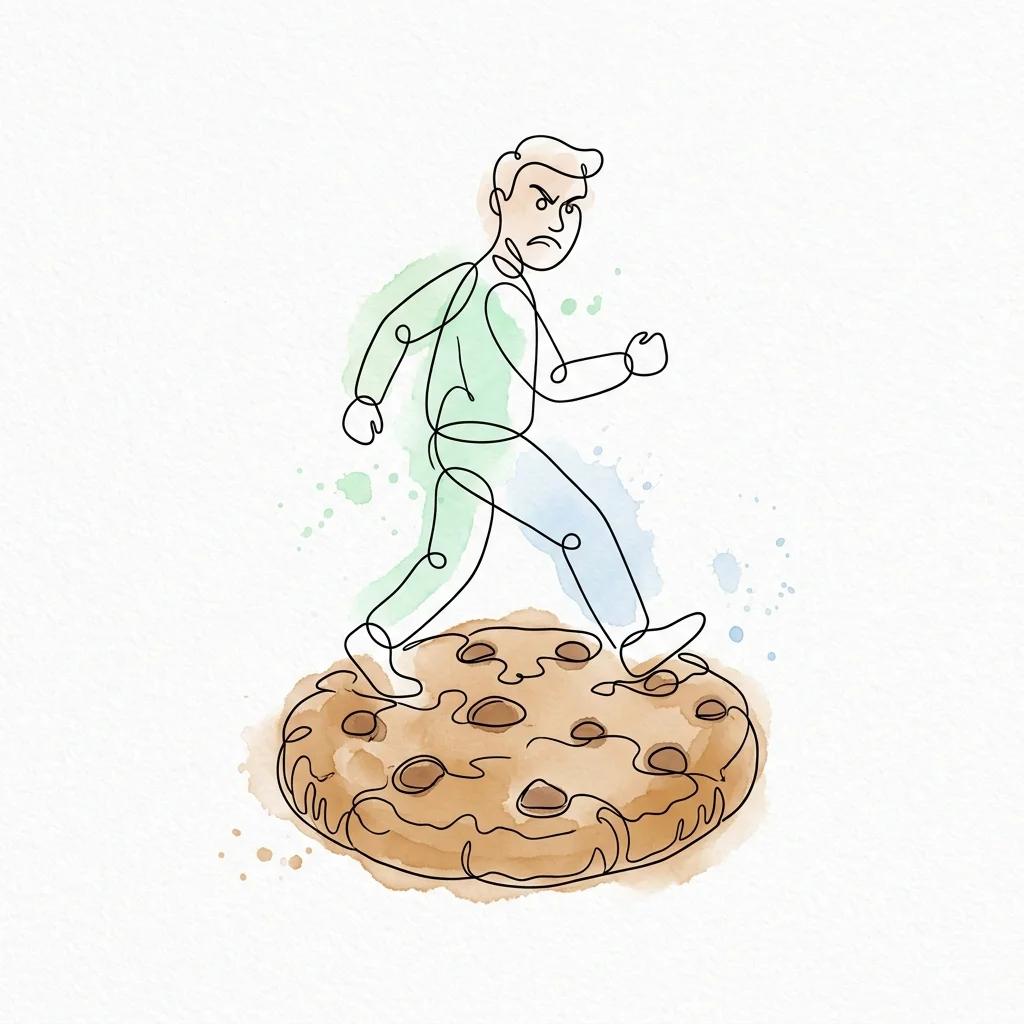
Literal: to walk on the cookie = Actual: to annoy someone
In colloquial German, the word 'Keks' (cookie) is sometimes used as a slang term for the head. By walking on someone's cookie, you are trampling on their nerves.
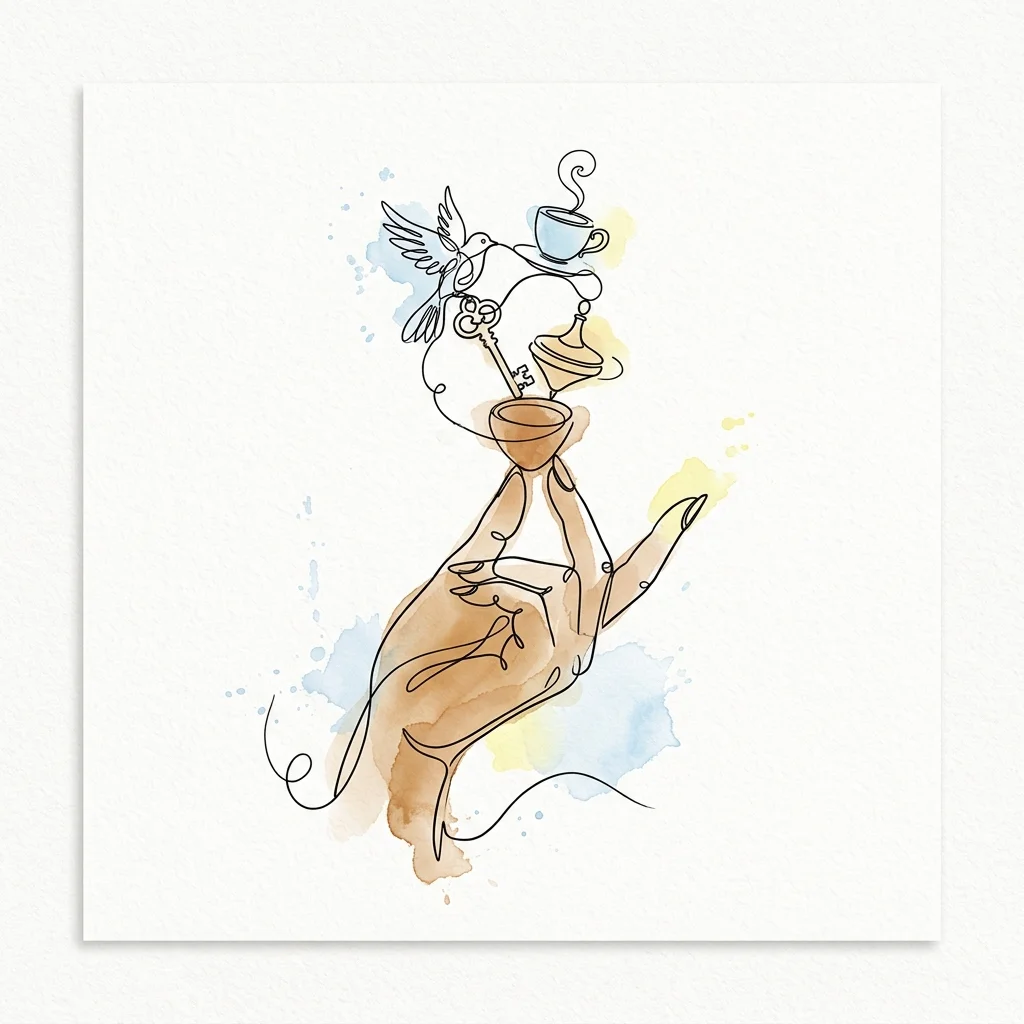
Intuitive flair or tact in delicate situations.
Composed of 'Finger' (fingers), 'Spitzen' (tips), and 'Gefühl' (feeling). It refers to the ability to handle sensitive matters with great care and empathy.
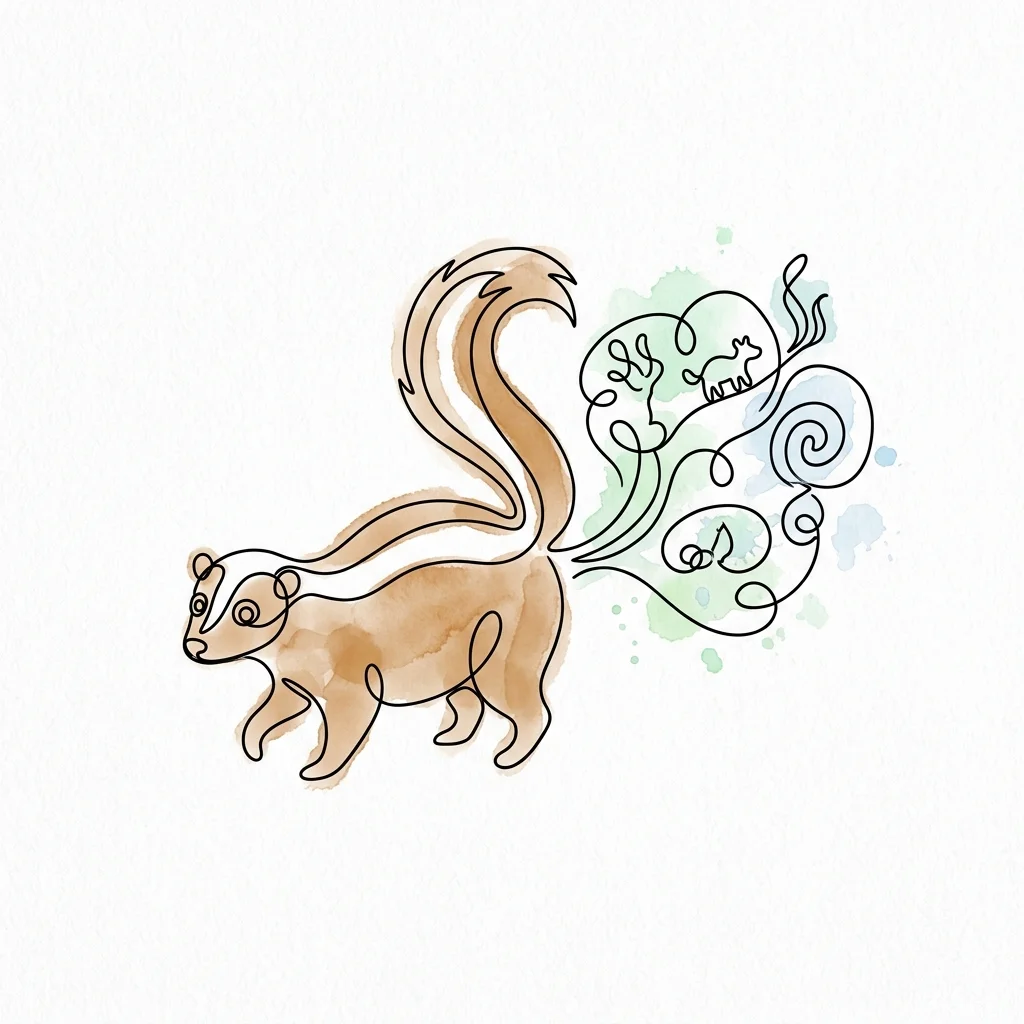
stink + animal = skunk
The word combines "stinken" (to stink) and "Tier" (animal). It names the animal directly after the strong-smelling spray it uses for defense.
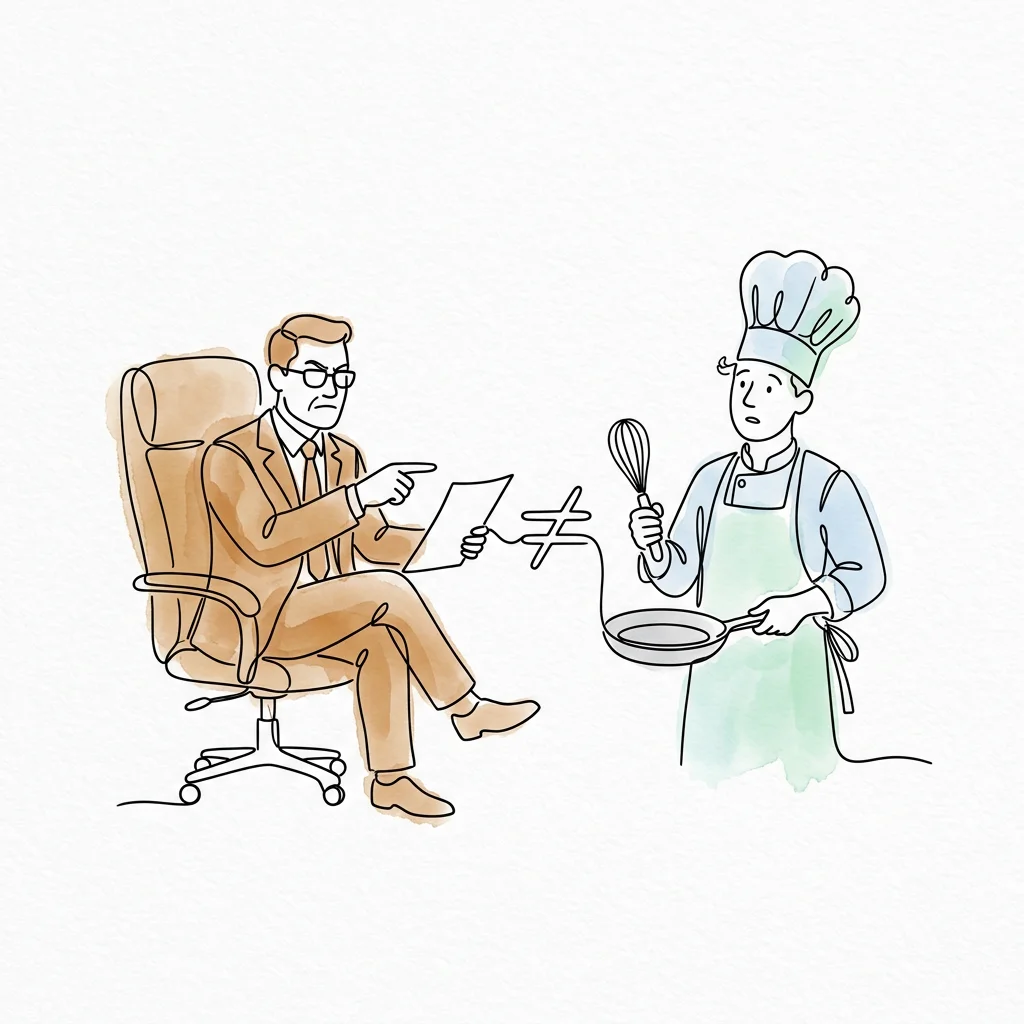
"Der Chef" means the boss, not the cook.
The word comes from French, but in German it is used for a boss or manager in any profession. The person cooking your food is called "der Koch".
Nouns ending in "-schaft" are always feminine.
The suffix "-schaft" forms nouns from other words, such as "die Freundschaft" (friendship) or "die Wissenschaft" (science). These words invariably use the article "die".
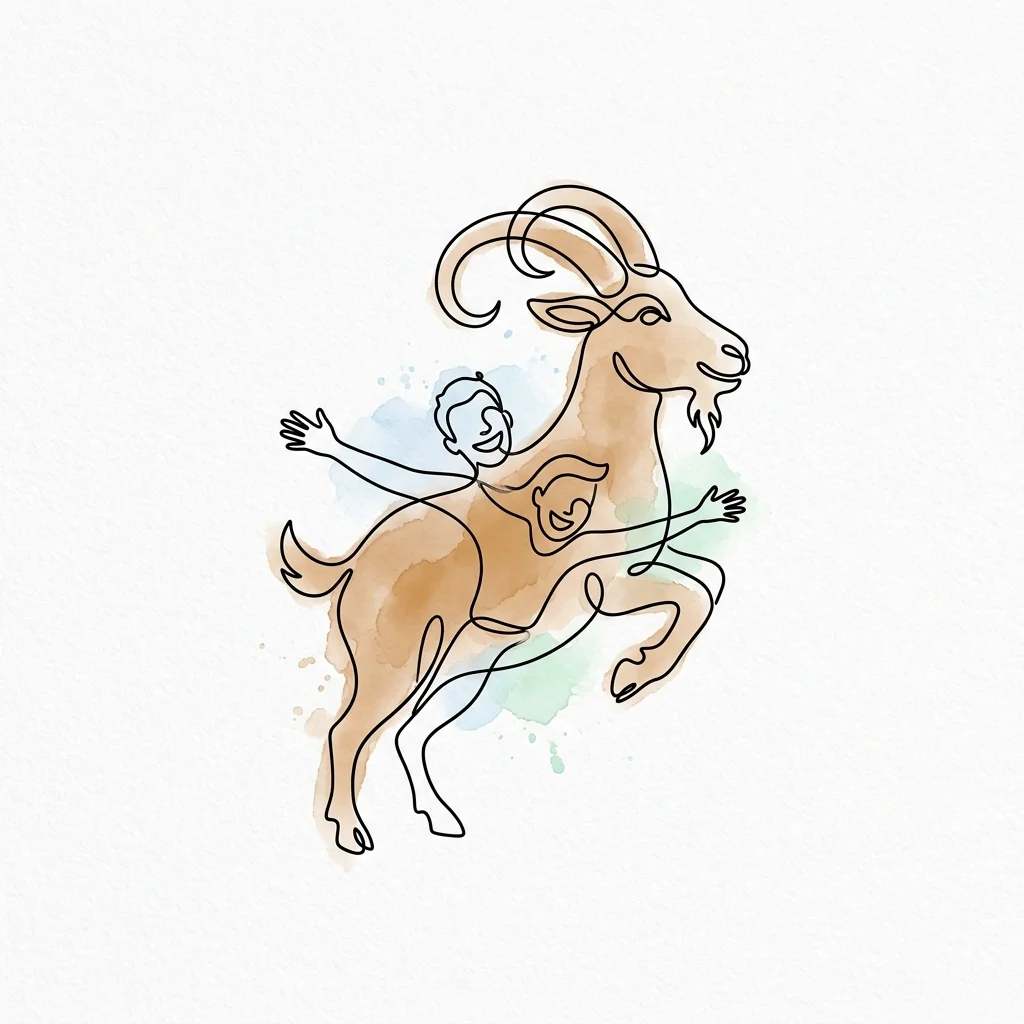
Literal: to have a billy goat. Meaning: to be in the mood for something.
This colloquial phrase means you want to do something. It originates from the Romani word 'bokh' for hunger and originally had nothing to do with goats.
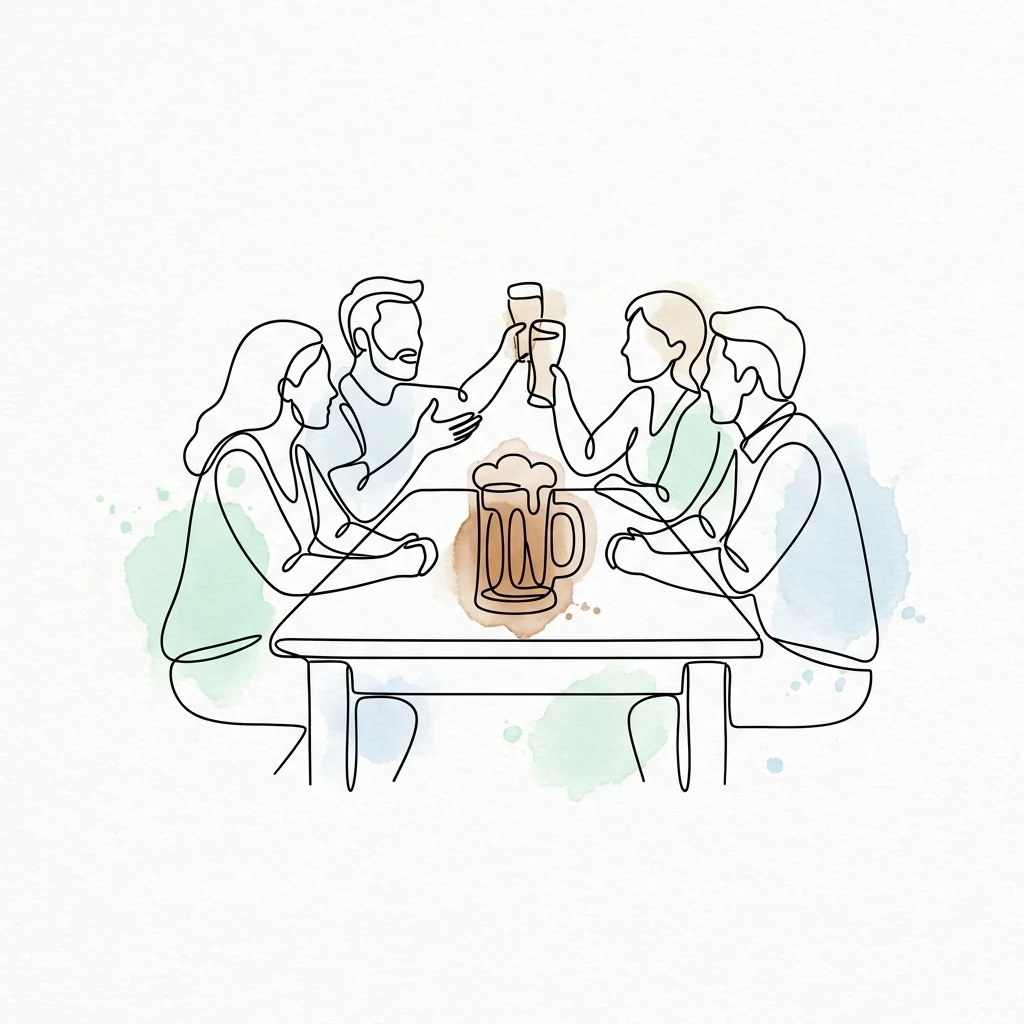
A regular get-together of a specific group at a reserved pub table.
Combining "Stamm" (tribe/trunk) and "Tisch" (table), this word refers to both the regular social gathering of a group and the actual physical table reserved for them.
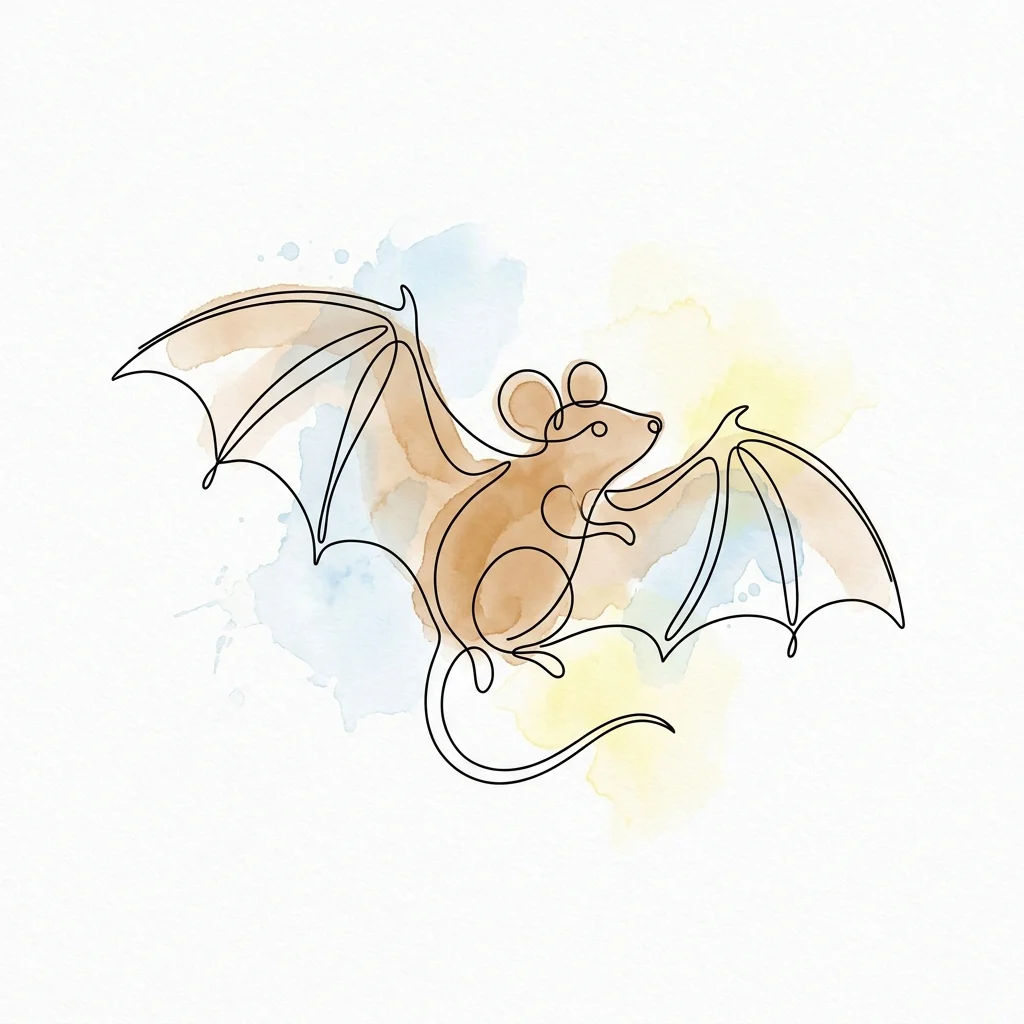
flutter mouse (Fleder + Maus)
The first part of the word comes from the Old High German term 'fledaron', meaning 'to flutter'. From a biological perspective, these flying mammals are not actually related to mice.
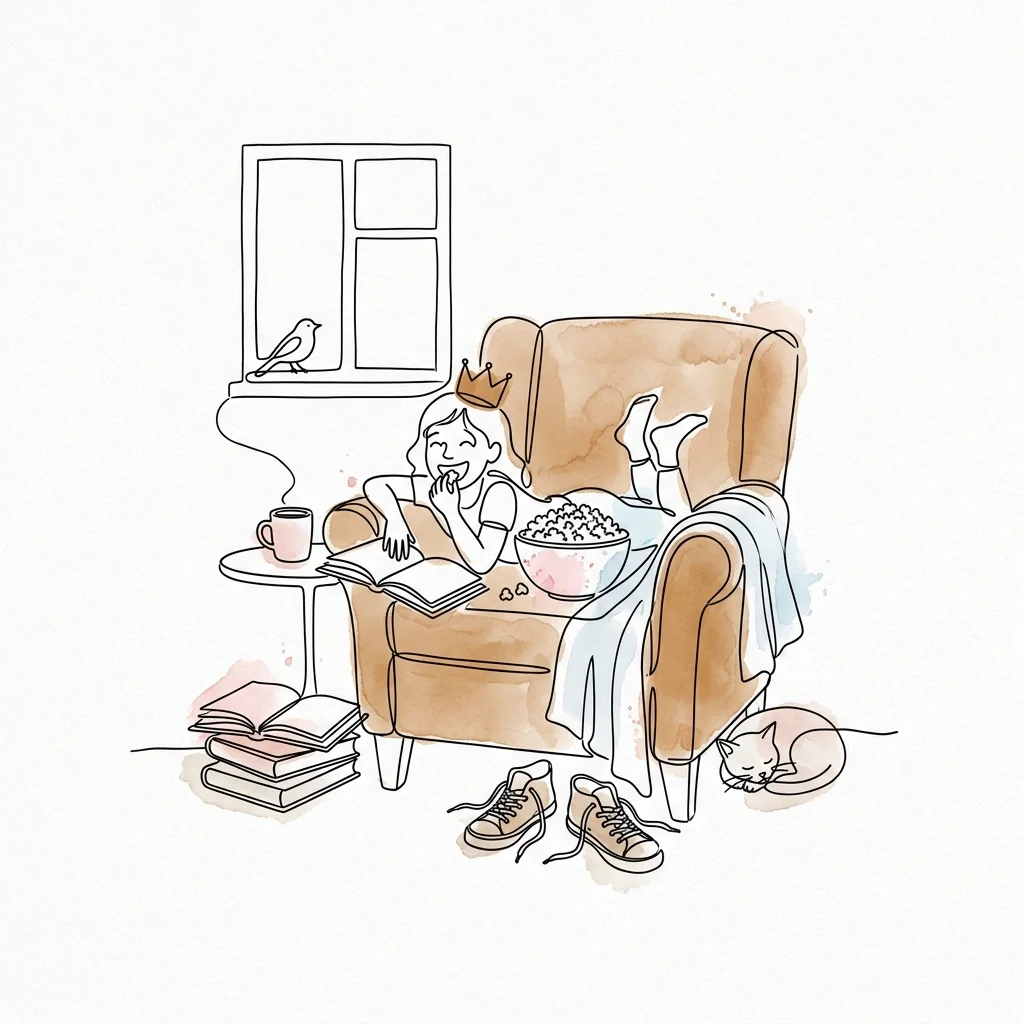
Having the house to yourself because your parents or roommates are away.
Literally meaning 'storm-free', this adjective is used colloquially to describe the freedom of having an empty house, often implying that you can now host a party.
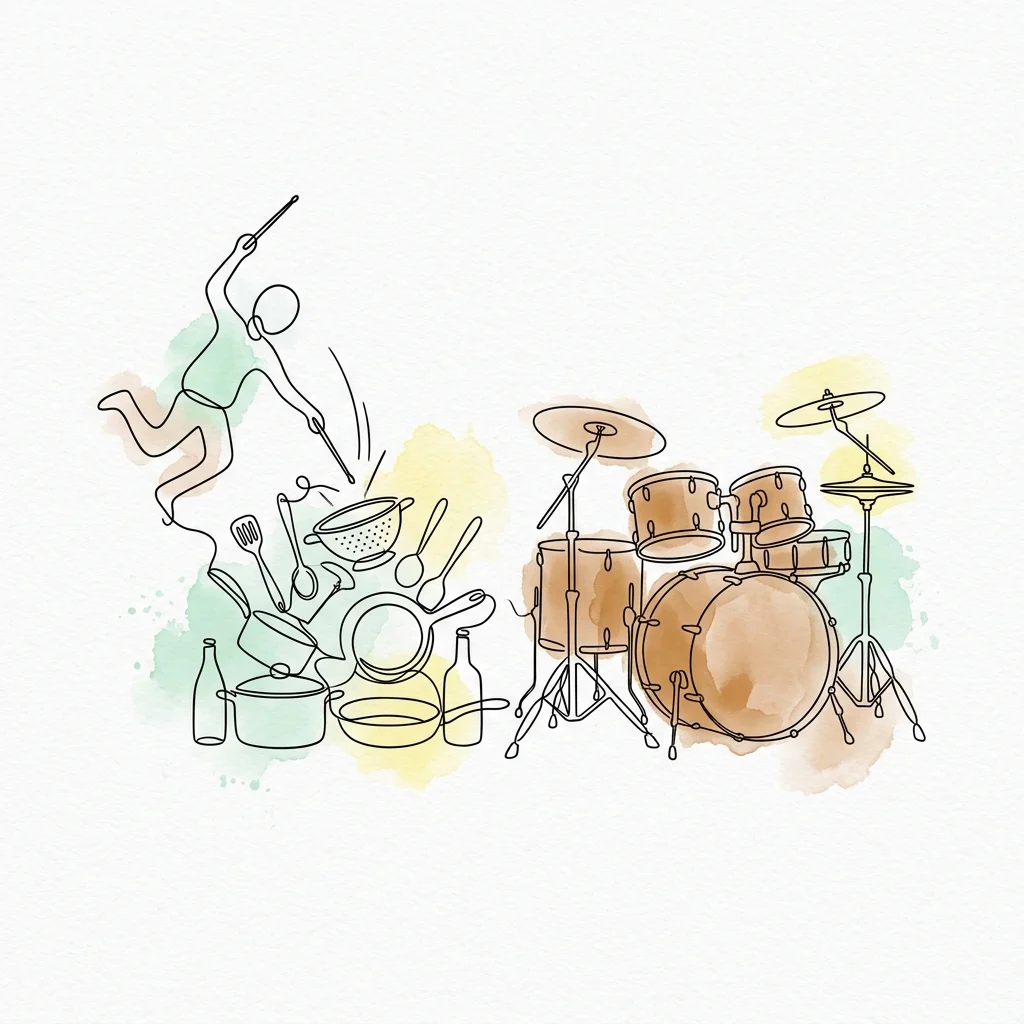
hit + stuff = drum kit
The word is composed of the verb "schlagen" (to hit or beat) and the noun "Zeug" (stuff). It literally describes the physical action performed to play the instrument.