Sprach-Snacks
Fresh daily — bite-sized German gems
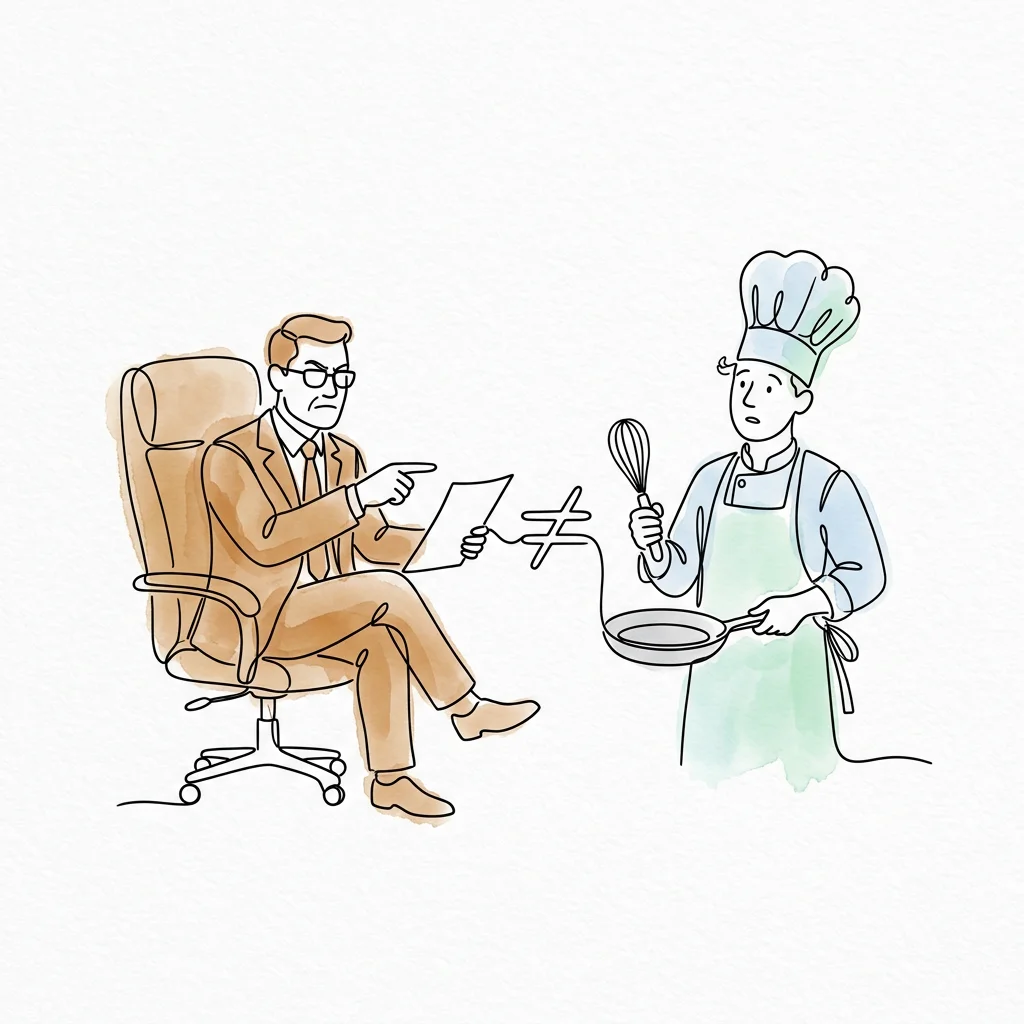
der Chef ≠ chef
It means 'boss' or 'manager', not 'cook'.
If you ask for the 'Chef' in a German restaurant, you will speak to the manager. The English word 'chef' translates to 'Koch' in German.
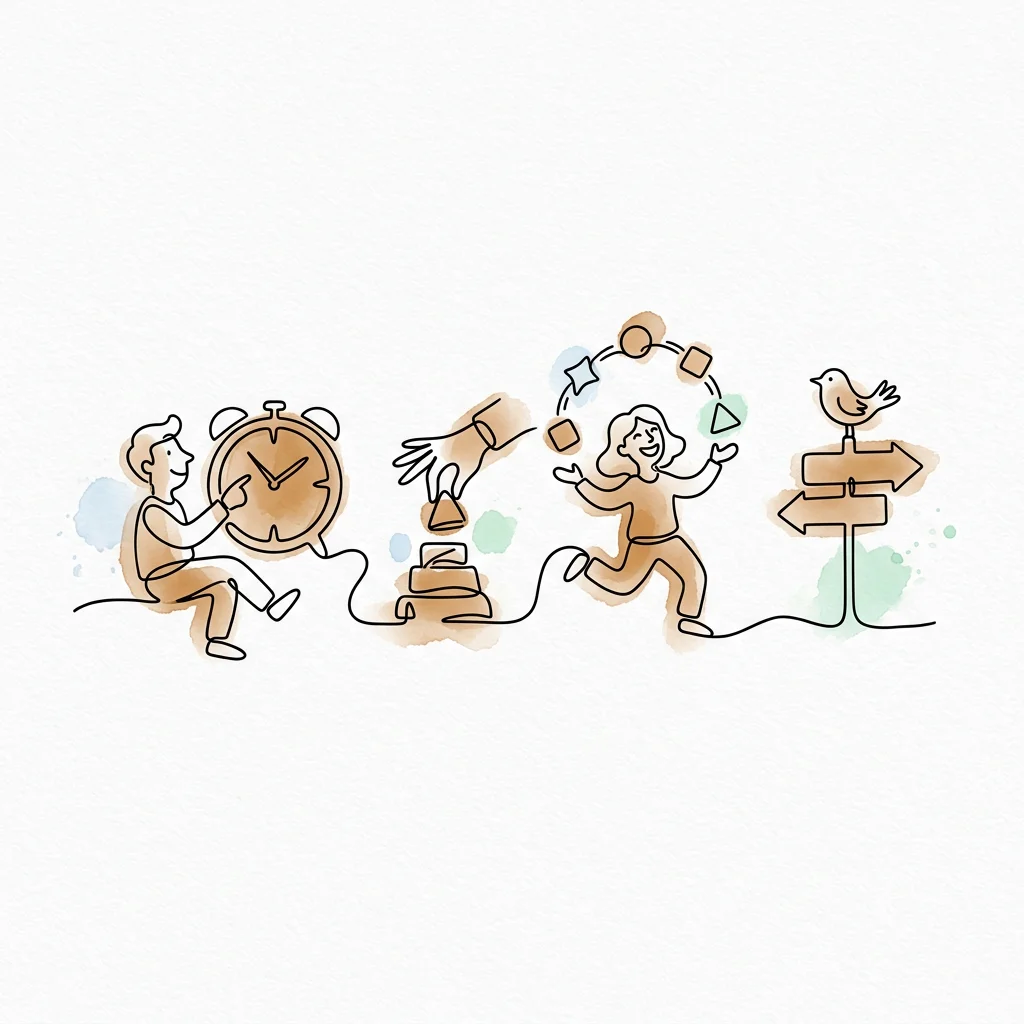
TeKaMoLo
The standard order of adverbs
When a sentence has multiple adverbs, they typically follow this sequence: Temporal (When?), Causal (Why?), Modal (How?), Local (Where?).
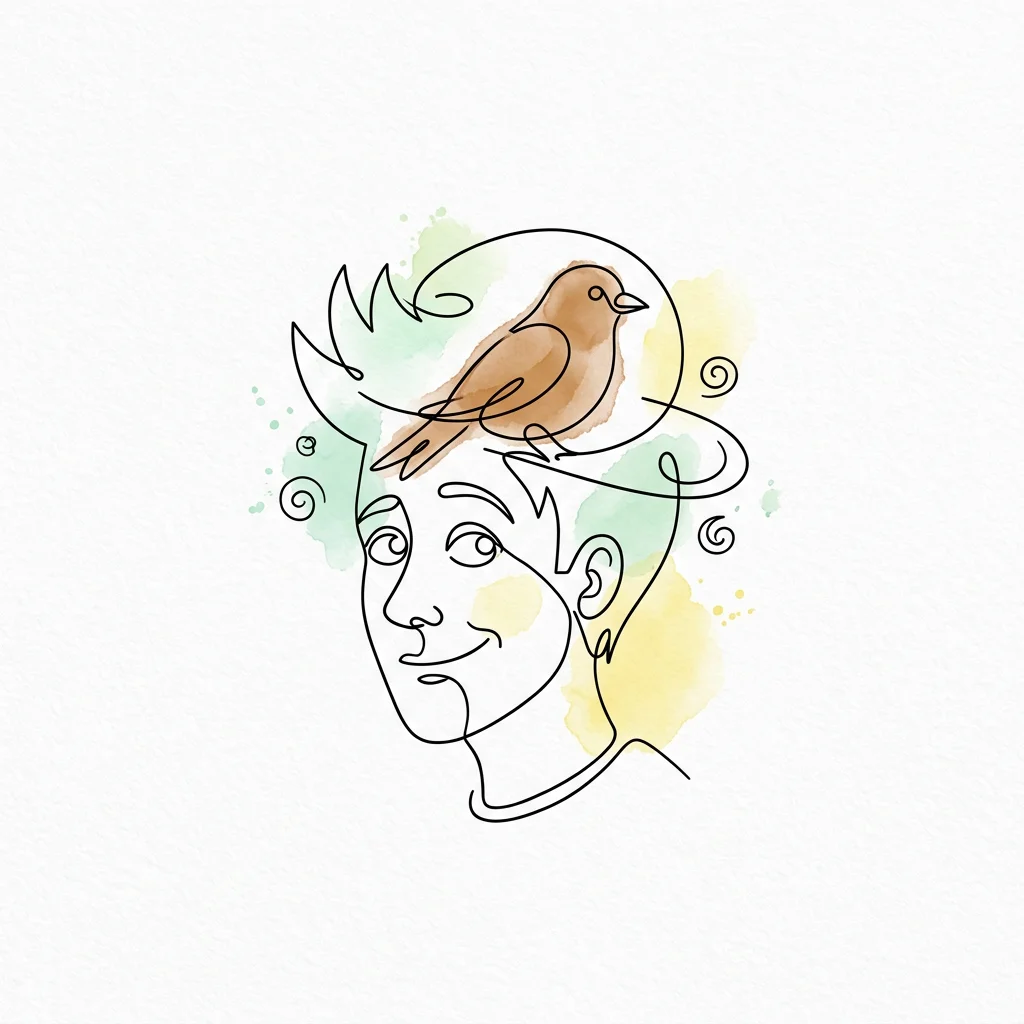
Einen Vogel haben
Literal: to have a bird. Meaning: to be crazy.
This idiom is used when someone is acting crazy. It is based on a medieval superstition that mental illnesses were caused by birds nesting inside a person's head.
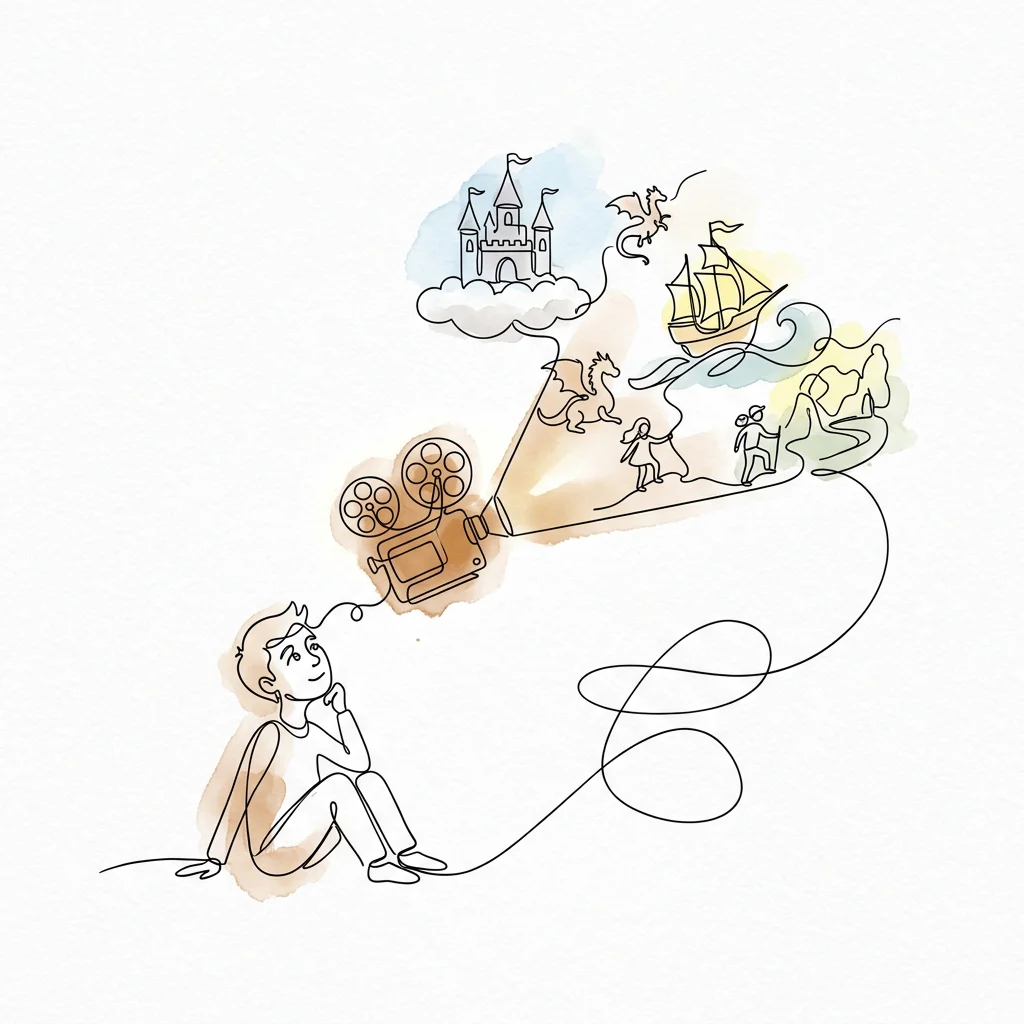
das Kopfkino
The act of playing out vivid, often fictional scenarios in your mind.
It combines "Kopf" (head) and "Kino" (cinema). The term describes the mental movie that plays when you imagine future or unreal events in great detail.
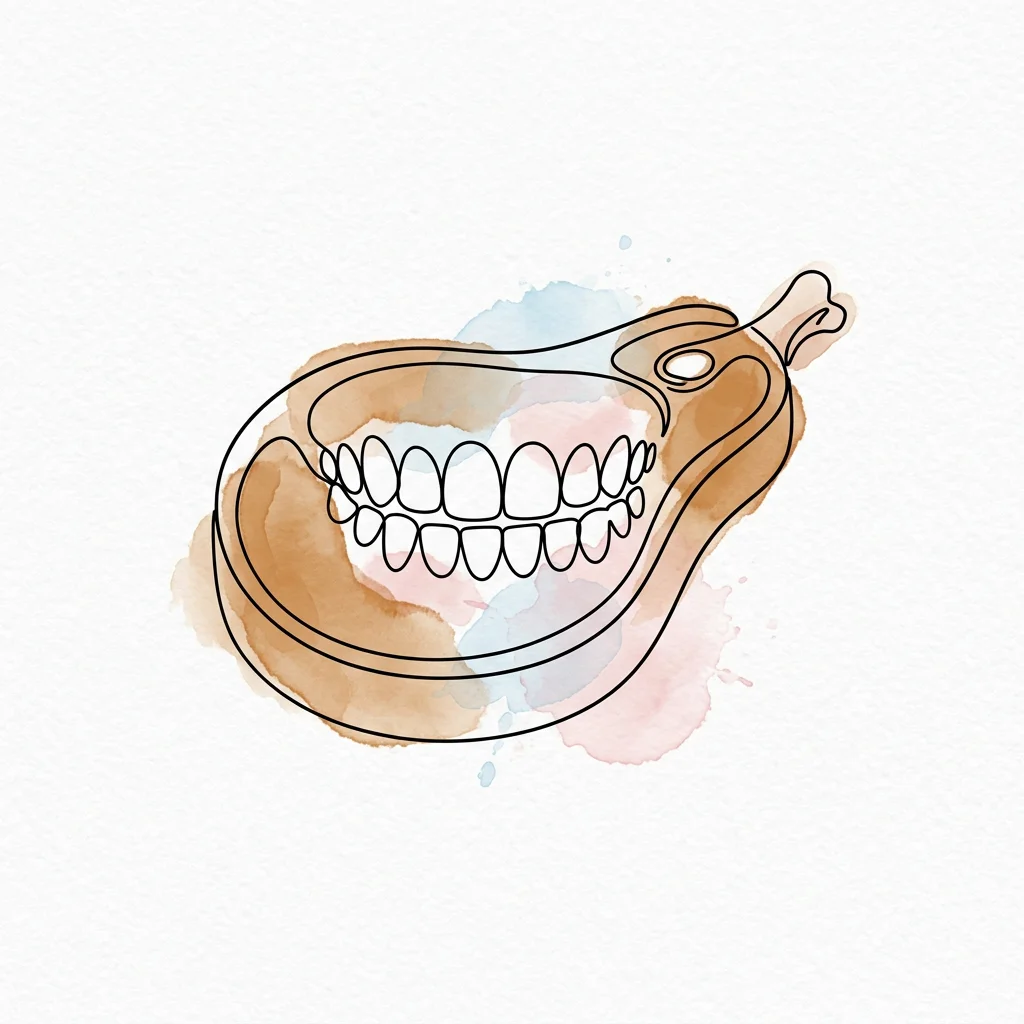
das Zahnfleisch
Tooth meat = gums
This word is formed from 'Zahn' (tooth) and 'Fleisch' (meat or flesh). It is the standard everyday and anatomical term for the soft tissue surrounding the teeth in the mouth.
durch, für, gegen, ohne, um
These five prepositions always require the accusative case.
Learners often use the acronym 'DOGFU' (Durch, Ohne, Gegen, Für, Um) to memorize this group. The noun or pronoun following these words will never take the dative case.
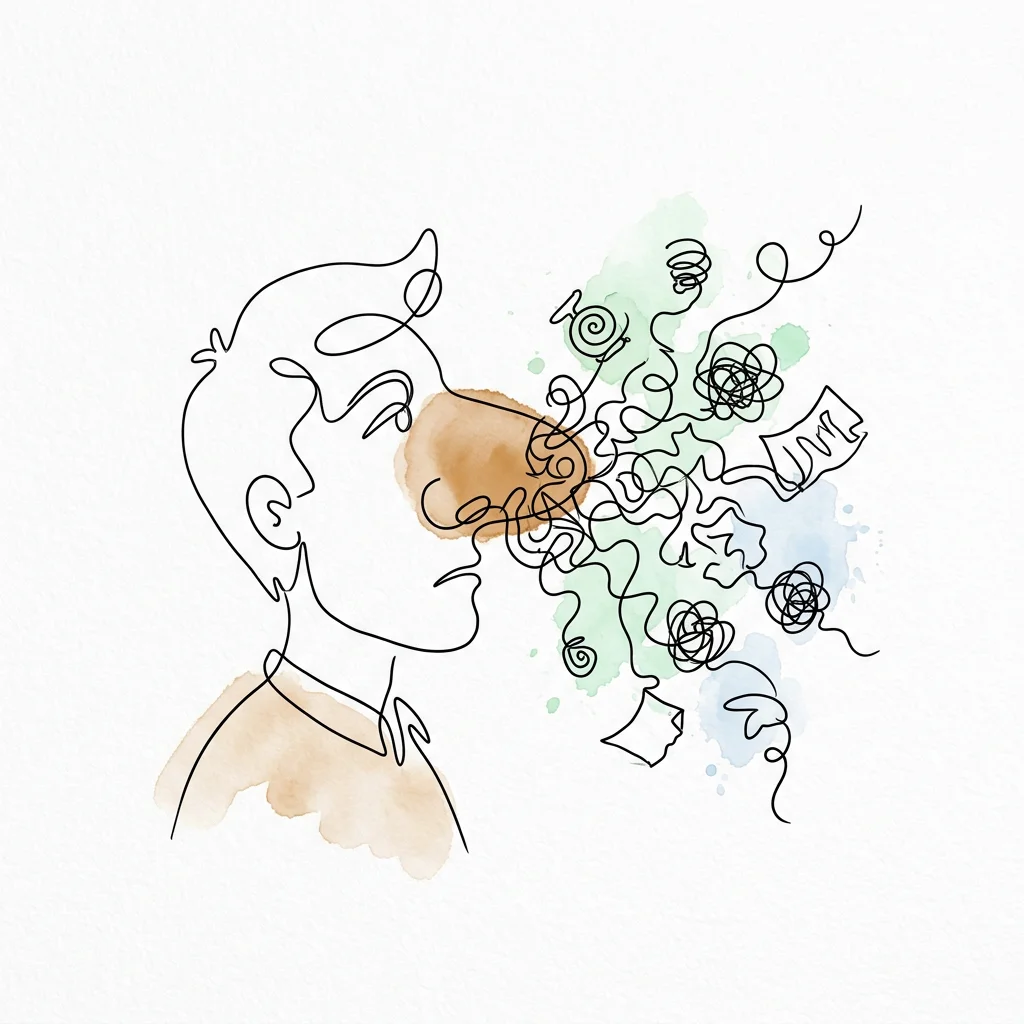
Die Nase voll haben
Literal: to have the nose full. Meaning: to be sick and tired of something.
This phrase means you are entirely fed up with a situation or a person. It refers to having a severe head cold where your nose is so stuffed that nothing else can fit inside.

die Torschlusspanik
The fear that time is running out to achieve life goals.
This noun combines 'Tor' (gate), 'Schluss' (closing), and 'Panik'. It originally referred to the medieval fear of arriving too late and being locked outside the city gates at night.
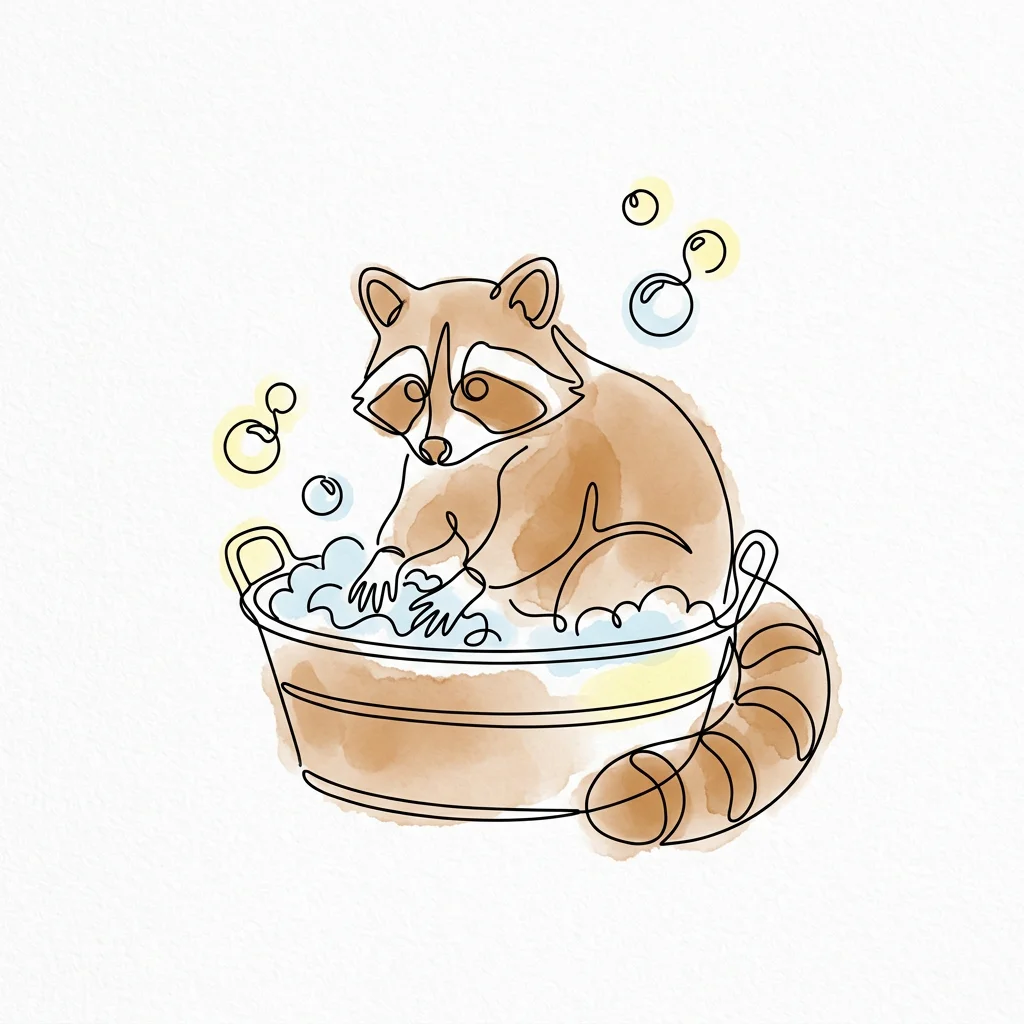
der Waschbär
wash bear = raccoon
The word is composed of „waschen“ (to wash) and „Bär“ (bear). It refers to the animal's habit of feeling its food underwater, which resembles washing.
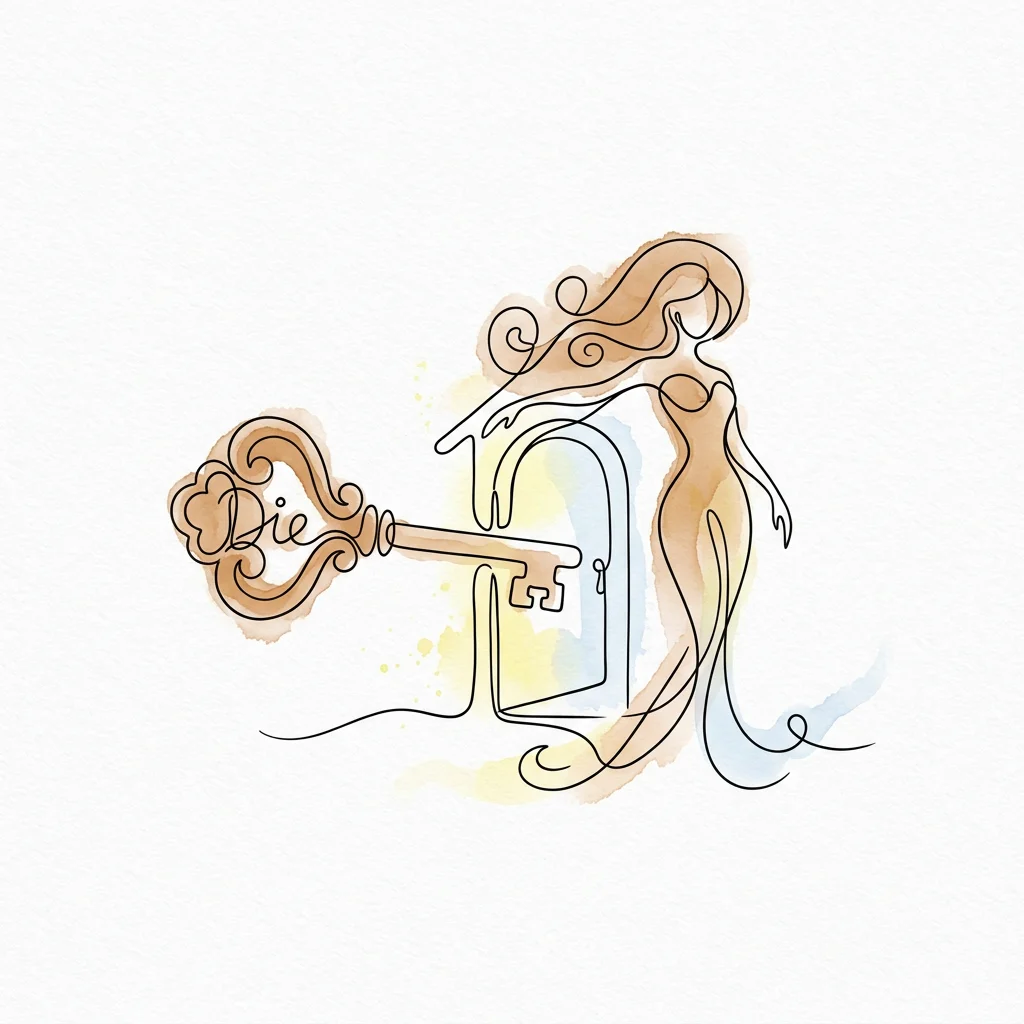
-tion = die
Nouns ending in -tion are always feminine.
Words like 'die Information' or 'die Station' always take the article 'die'. They also consistently form their plural by adding the suffix -en.